We’ve all been there as a GM.
Two players cannot get on the same page. The last piece of pizza has opposing dibs on it. The green-eyed monster has taken root over a newly discovered magic item, and neither player is willing to back down.
Sometimes, it would be so much easier to let them fight it out and declare the winner right.
Since an actual fistfight is generally considered poor table etiquette, I made Fist Fight instead.
There is something deeply satisfying about putting the main game on pause for a quick side scuffle. Five to eight minutes later, a winner has been declared, the argument is settled, and everyone can move forward. One or two Uppercuts, a Combo, and a desperate series of Blocks later, it is all over.
Congratulations. The Paladin gets the magic wand.
Everyone wants to fight about something.
Fine. Fight about it.
Fast, Mean, and Over Before You Know It
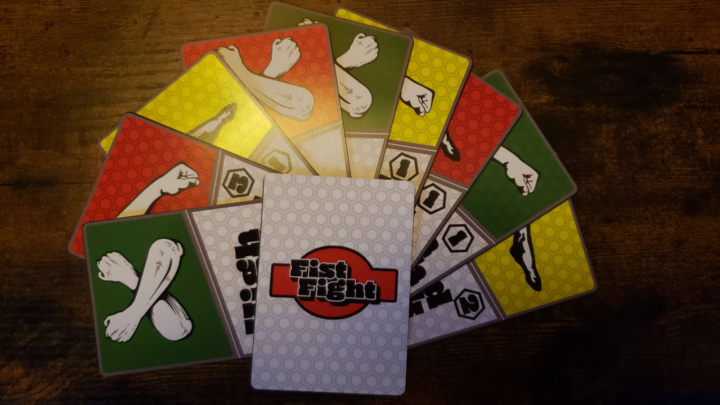
Turns in Fist Fight move fast. Throw a Punch or a Kick, build a Combo when the cards line up, and try to do as much damage as possible before your turn ends.
Then pray you kept a couple of Blocks in your hand.
Because now everyone else gets a turn, and they remember what you did to them.
A good round can make you feel unstoppable. A bad one can leave you sitting helplessly as your friends kick the snot out of you for three turns straight. Alliances form, grudges grow, and someone who promised not to attack you will almost certainly attack you.
It’s fast, vicious, hilarious, and final.
From Clip Art to the Arcade
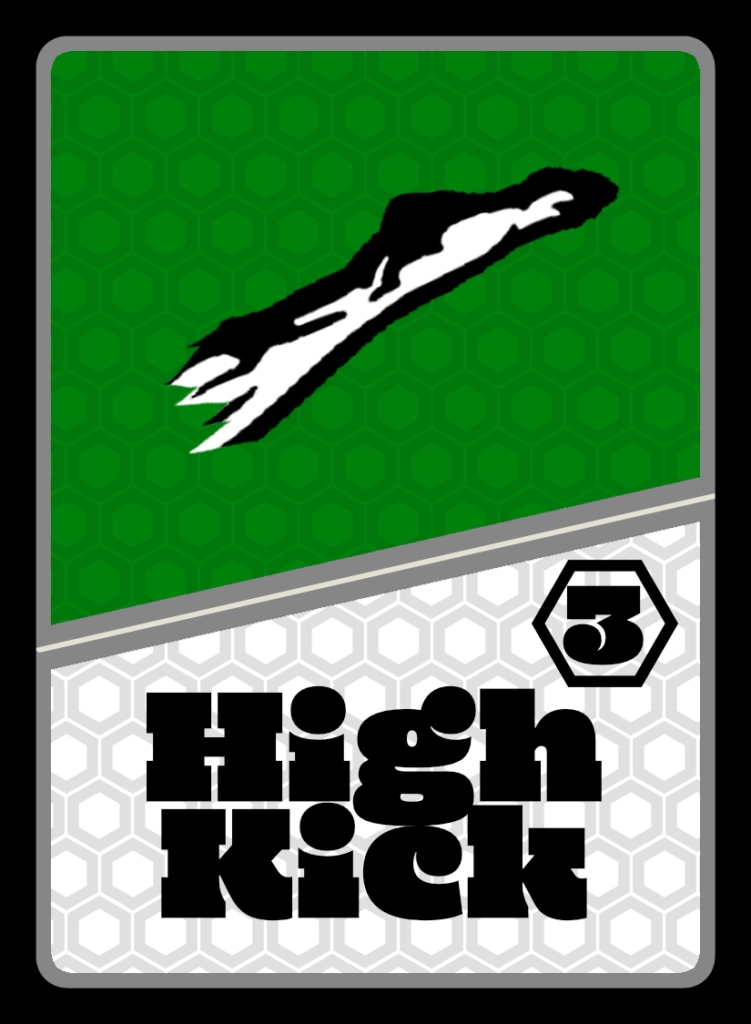
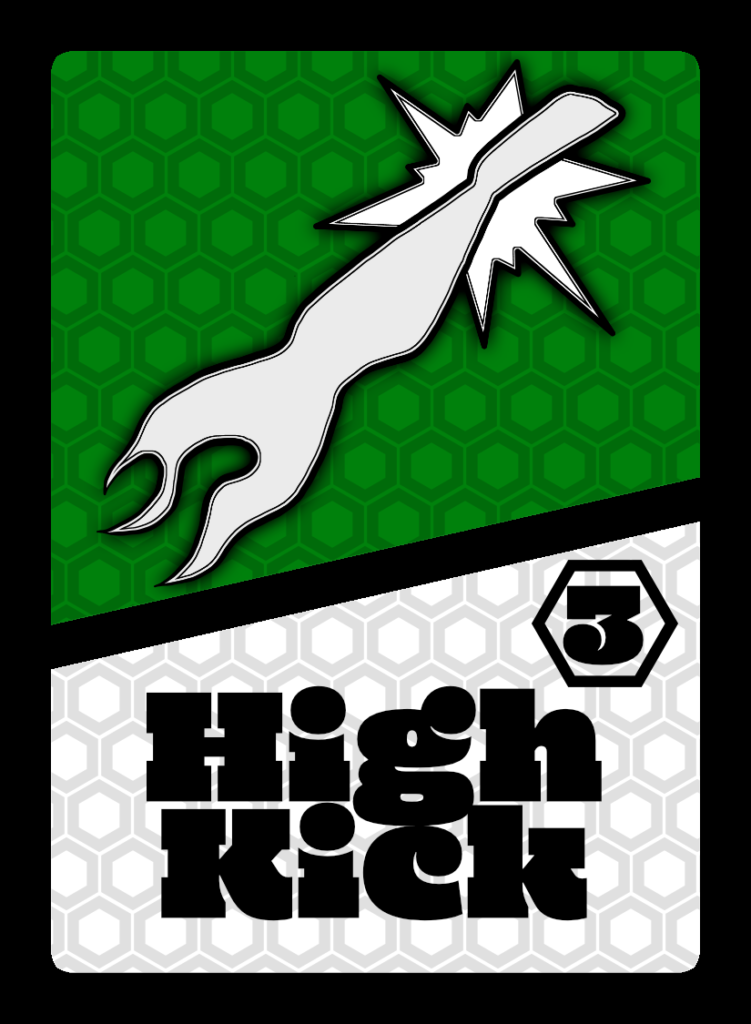
The original prototype used simple black-and-white clip art. I loved the bold black lines and stark white backgrounds because they made the cards easy to understand at a glance.
I just didn’t love the clip art itself.
When it came time to create the final visual identity, I went back to something I loved as a kid: arcade fighting games.
Old fighting games communicated a lot with very little. High Punch. Low Kick. Block. The iconography was immediate and unmistakable. You never had to stop and wonder what a button was supposed to do before pressing it.
That same clarity became the goal for Fist Fight. The new artwork keeps the bold lines and simple readability of the prototype while giving every card an identity inspired by classic fighting-game commands and arcade cabinets.
The result feels much closer to what the game always wanted to be: a fighting game played with cards.
Settle Almost Anything
While Fist Fight started as a tool for GMs, it has grown into a game that stands completely on its own.
You do not even need to be in the middle of another game to start a fight.
Who gets the last piece of pizza?
What movie are we watching?
Which rules interpretation are we using?
Who has to make the snack run?
Who gets the good controller?
The answer is always the same:
Settle it with Fist Fight.
Development Status: Nearing Production
Fist Fight has been tested, adjusted, balanced, and played enough times to produce some very personal grudges.
Mechanically, the game is ready to roll. The cards work, the fights move quickly, and the game delivers the loud, competitive experience I wanted from it.
The last major hurdle is artwork. Only a few card illustrations and the final box design remain before I can order test copies and begin preparing the game for production and sale.
Support through Arcadian Alchemy’s Production Funding goal helps cover those remaining art needs, test copies, and the development time required to push Fist Fight across the finish line.

Leave a Reply